New Diabetes Education Program at Campbell County Health Supports Patients Close to Home
- Posted On:
- Written By: Caitlin Berkey

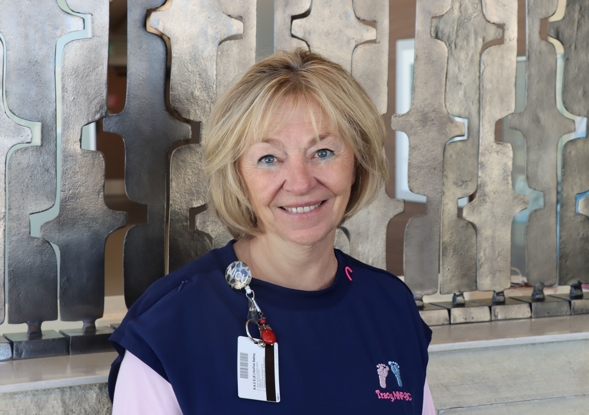
Campbell County Health is expanding access to diabetes education close to home through its newly accredited diabetes education program, led by Ausencia Veinbergs, RDN. This allows CCH to offer standardized, evidence-based diabetes education to help patients better understand and manage prediabetes, type 1 diabetes, type 2 diabetes, and nutrition-related concerns.
Ausencia’s approach to care is personal, practical, and non-judgmental. She understands that each patient’s lifestyle, health history, and challenges are different, so education should never be one-size-fits-all. Instead, she works with patients to create realistic strategies that fit their daily lives. Using tools such as food logs, dietary recalls, and individualized goal setting, she helps patients make sustainable changes over time. Her focus is not on guilt or perfection, but on building confidence, adding nourishing foods, and finding realistic ways to incorporate healthy habits and movement.
During diabetes education visits, patients can expect a comprehensive first appointment that includes a review of medical history, medications, eating patterns, blood sugar concerns, and daily routines. Education and support may include blood glucose monitoring, including training on blood glucose meter use, proper fingerstick technique, logging readings, and recognizing trends. Ausencia also provides support for continuous glucose monitoring, including help with CGM setup, sensor placement, device care, scanning, troubleshooting, and reviewing glucose trends for nutrition-focused counseling.
Patients can also receive nutrition and lifestyle education tailored to their individual needs. This may include carbohydrate awareness, meal planning, meal timing, balanced snack strategies, understanding how food, activity, and lifestyle affect blood sugar, strategies for weight management, and guidance on low blood sugar treatment and management. Family members and caregivers can also play an important role in this process by helping create a strong support system at home.
Currently, one-on-one diabetes education visits with Ausencia require a referral from a healthcare provider. In addition to individual visits, Campbell County Health is also developing group diabetes education opportunities that will be open to the public. More information on upcoming classes, including the Fall Into Balance series, will be shared at a later date.
Ausencia believes diabetes education can make a meaningful difference in quality of life by helping patients improve energy, confidence, sleep, and blood sugar control. For some patients with prediabetes, early education and lifestyle changes may also help prevent or delay progression to type 2 diabetes.
For Ausencia, offering accredited diabetes education at Campbell County Health is about caring for people close to home. It gives patients access to high-quality education in their own community, reduces the need to travel, and provides support that is tailored to the needs and lifestyles of northeast Wyoming. Her hope is that diabetes education at CCH becomes a well-known resource that patients and providers alike can easily access through a referral.
Ask your healthcare provider for a referral to Diabetes Education, or ask whether Diabetes Education may be right for you.