Comprehensive cancer care requires a team approach, treating not only the
disease but the needs of the patient and their family.
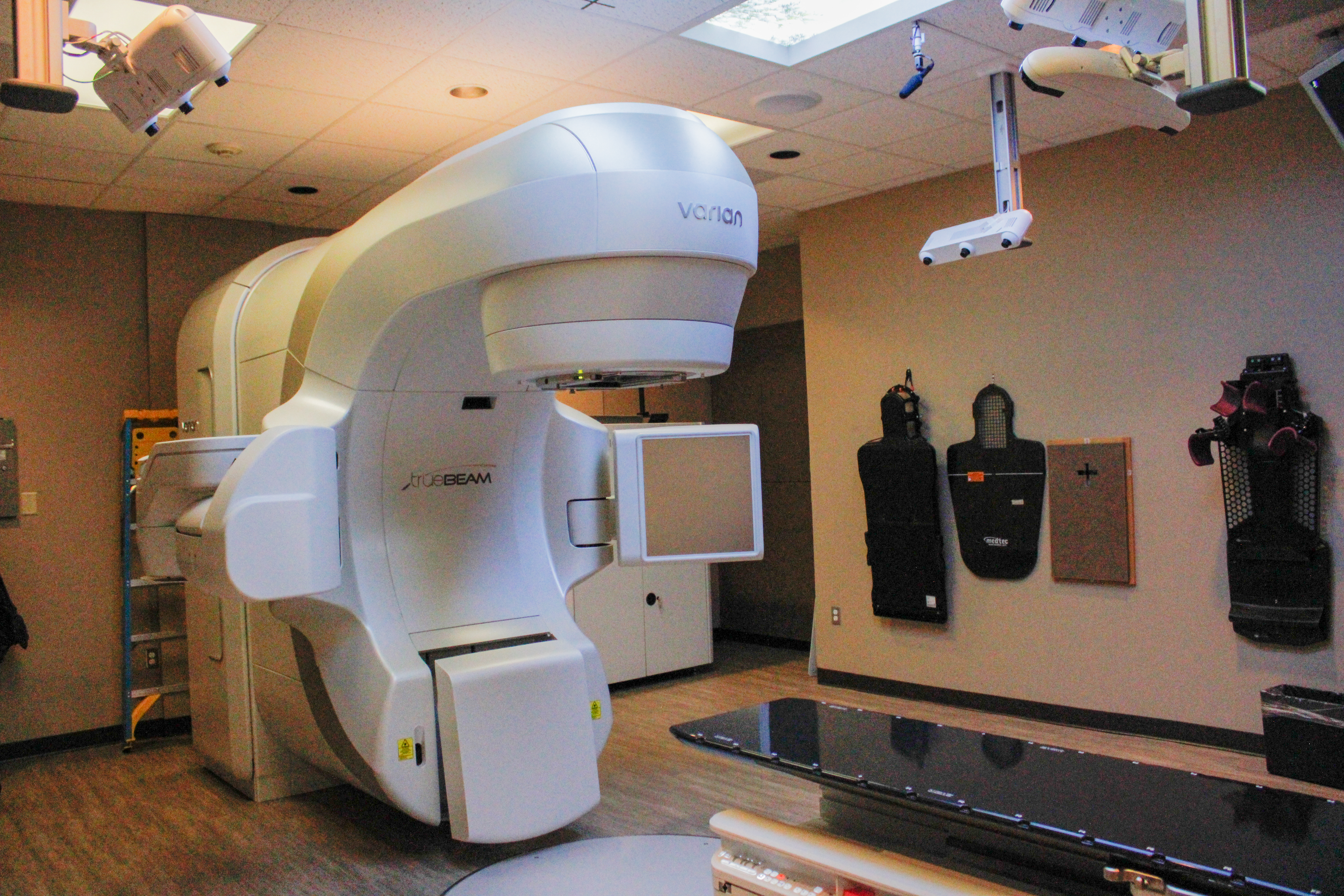
Campbell County Health's Radiation Oncology department utilizes ionizing
external beam radiation from a machine called a linear accelerator to
break up and destroy the molecules within the tumor cells. Our Varian
Truebeam, which replaced the old LINAC in in the summer of 2025, utilizes
the newest technology offered in the region. The Truebeam can treat patients
using IMRT, SRS, SBRT, and conventional 3D conformal.
IMRT - Intensity Modulated Radiotherapy
Advanced form of cancer treatment that delivers precise radiation doses
to a tumor while minimizing dose to normal structures. The radiation intensity
is "modulated' to enable higher doses to the tumor but minimize dose
to normal tissue.
SRS - Stereotactic Radiosurgery (NOT a surgical procedure)
Non-surgical procedure that delivers a single high dose of radiation to
brain tumors or other small tumors.
SBRT - Stereotactic Body Radiotherapy
Procedure used for small tumors in the body (lung, prostate etc.). Effective
for small, well-defined tumors.
3D/Conformal - Delivers precise radiation doses to the tumor while minimizing
dose to normal structures. Unlike IMRT, 3D/conformal treatments are not
modulated.
What Happens Before, During and After Treatment?
Click here for a video that gives patients an introduction to External Beam Radiation Therapy.
Members of the cancer care team
Radiation Oncologist: highly trained physician that specializes in using radiation therapy
to treat cancer.
Medical Physicist: Specialist in radiation therapy physics. Performs monthly calibrations
of the linear accelerator, chart checks, dose verification etc.
Medical Dosimetrist: uses CT images to develop a "plan" for your radiation treatments.
This includes determining the treatment area and insuring that as much
normal tissue is spared as possible. A 3-D plan is generated on a special
computer with dosimetry software to determine the best angle of the machine,
shape of the field etc. Plans are approved by the Radiation Oncologist
as well as the Physicist.
Licensed Radiation Therapists: Certified therapists administer radiation therapy, according to measurements
and protocols determined by the radiation oncologist and medical physicist.
Other Support Physicians: Family Practice, Internal Medicine, GYN, Orthopedics, or Pediatricians
may be involved in a diagnosis of cancer. Board Certified Radiologists
and Surgeons perform procedures to identify and remove cancerous tissue.
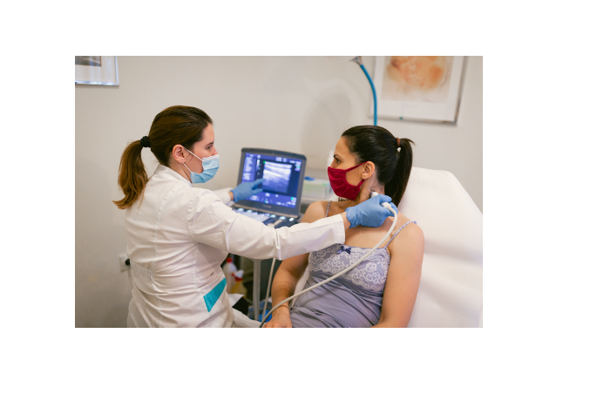
Diagnostic Imaging: X-ray, CT scanning, PET Scanning, MRI, Ultrasound and Mammography are
important diagnostic tools used in identification and treatment.
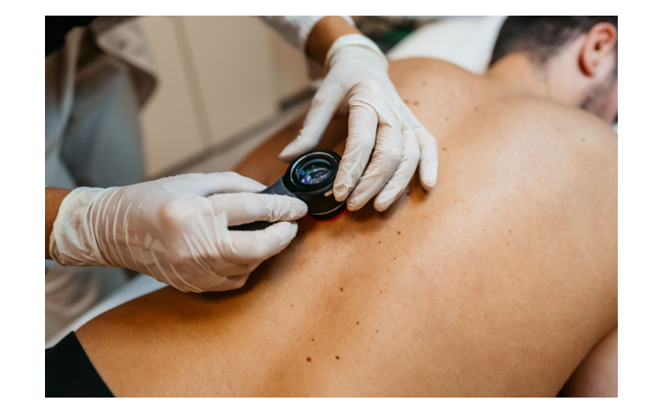
Laboratory tests and Pathology: The hospital laboratory performs tests for cancer markers and health
assessments during the treatment process, and provide blood products for
transfusion when necessary. Pathologists confirm a cancer diagnosis and
staging to track disease progression.
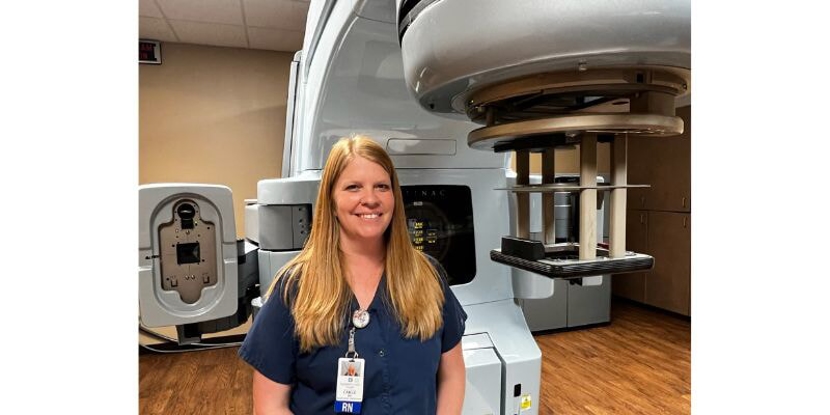
Certified Oncology Nurses: The nurses coordinate patient care within Cancer Care Services, and facilitate
communication with your treatment team.
Social Worker: The social worker helps find needed resources for assistance in the home,
provides emotional support, referrals to programs such as hospice, if
needed, and advice on items such as financial assistance and living wills.
Chaplain: The chaplain provides spiritual support for you and your loved ones.
Dietitian: Good nutrition is essential to the healing process. A dietitian may be
involved in care to ensure a well-balanced diet.
Therapists (other than the Radiation Therapists delivering your daily treatments): If surgery or treatment changes the way you function in your daily activities,
you may be referred to a physical therapist, occupational therapist, or
speech language pathologist for assistance. Physical and occupational
therapists can also provide mastectomy rehabilitation, strengthening,
and lymphatic massage therapy.
Contact
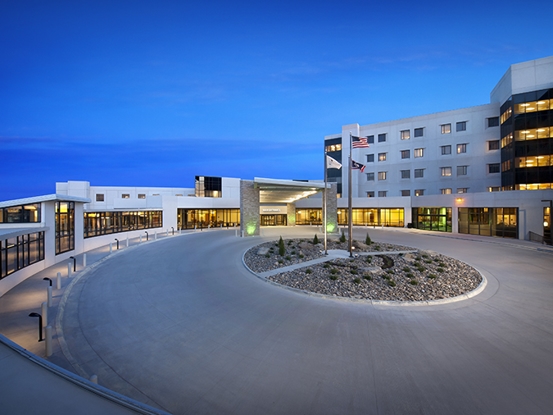
Location: Heptner Cancer Center at Campbell County Memorial Hospital,
501 S. Burma Avenue, Gillette, Wyoming 82716
Directions to Radiation Oncology: Use the north, or "annex" entrance to access Radiation Oncology
(take a right after you enter the Cancer Center main sliding doors).
Radiation Oncology phone:307-688-1950 Director/Dosimetrist/Physicist: Leigh Johnson, 307-688-1962,
leigh.johnson@cchwyo.org Nurse: 307-688-1952
Radiation Therapists: 307-688-1963 or 307-688-1965


.png)
.png)









.png)